


Malaria is both preventable and treatable when you take the right precautions.
We’ve gathered key facts, safety tips, and reliable resources below to help you travel with confidence and enjoy your visit with complete peace of mind.
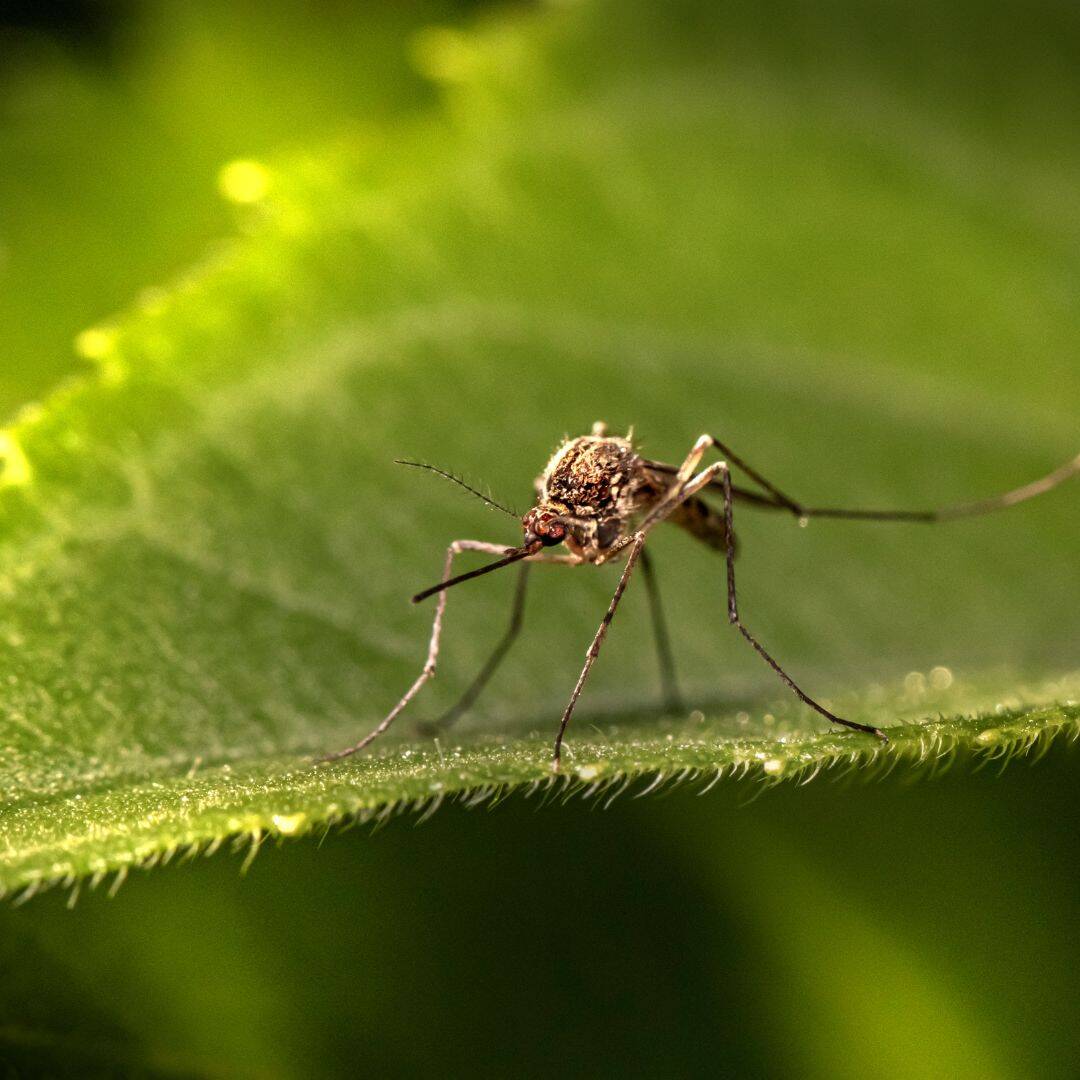
Malaria Awareness for Travel in South Africa
Where malaria occurs in South Africa, how high the risk is, and why awareness matters.
View details
Malaria is a preventable, treatable mosquito-borne disease present mainly in the north-eastern Lowveld of South Africa, including parts of Mpumalanga and Limpopo around the Kruger National Park. Overall risk is low to moderate and increases in summer. With sensible precautions, you can travel confidently.

Facts about Malaria
How malaria is transmitted, what increases risk, and common myths to ignore.
View details
Only female Anopheles mosquitoes transmit malaria. They need a blood meal to develop eggs. If she bites an infected person, she ingests the Plasmodium parasite, which develops inside her for about a week. When she bites again, she injects a small amount of saliva that is carrying the parasite into the next person.
Mosquitoes often rest on nearby walls after feeding, which is why indoor spraying and bed nets work so well. You can’t avoid every bite, but the fewer bites, the lower your risk.
Facts:
- Only female Anopheles mosquitoes spread malaria.
- Risk increases during rainy months (Sep–May) in Kruger and Lowveld areas.
- DEET or picaridin repellents, long sleeves, and bed nets offer the best protection.
Myths:
- ❌ “Malaria spreads from person to person.” – It needs a mosquito.
- ❌ “If I take tablets, I can skip repellent.” – Medication helps, but doesn’t stop bites.
- ❌ “All mosquitoes carry malaria.” – Only certain Anopheles species do.

Malaria-Risk Areas in South Africa
Which parts of South Africa have malaria, and which popular regions are malaria-free.
View details
- Mpumalanga: Kruger National Park, Sabi Sand, Hazyview, Komatipoort, Marloth Park, Nkomazi.
- Limpopo: Northern Kruger (incl. Pafuri), Phalaborwa, Hoedspruit.
- KwaZulu-Natal: Far north-east along the Mozambique border (e.g., Jozini, Kosi Bay).
Major cities and routes like Johannesburg, Cape Town, Pilanesberg, Eastern Cape, Garden Route are malaria-free.

Seasonality: When Risk Is Higher
When malaria risk is highest during the year and how seasons influence transmission.
View details
Transmission is mostly seasonal, peaking during the rainy summer months (September–May). Risk is typically lower in the cooler, drier winter months.

Prevention: How to Reduce Mosquito Bites
Simple, practical ways to reduce mosquito bites, from repellent to nets and clothing.
View details
It’s not possible to avoid mosquito bites completely, but the less you’re bitten, the less likely you are to get malaria.
- Apply insect repellent with DEET or picaridin to exposed skin and clothing.
- Wear long sleeves and trousers at dawn and dusk when mosquitoes are most active.
- Use mosquito nets, screened rooms, or air-conditioned accommodation.
- Use coils/plug-ins or spray rooms before bedtime.
- Consult a travel clinic/doctor for personalised advice if visiting moderate-risk areas, especially in summer.

Medication (Prophylaxis): When and What to Consider
When tablets are recommended, why they don’t replace repellent, and timing your course.
View details
Preventative medication is generally recommended for travel to Kruger and other moderate-risk zones between September and May. However, antimalarials only reduce your risk of infection by about 90%, so taking steps to avoid bites is also important.
Speak to your doctor or travel clinic ideally 2 weeks before travel. When taking antimalarial medication:
- Make sure you get the right antimalarial tablets before you go – check with your GP or pharmacist if you’re unsure.
- Follow the instructions included with your tablets carefully.
- Depending on the type you’re taking, continue to take your tablets even after returning from your trip to cover the incubation period of the disease.
Check with your GP to make sure you’re prescribed a medication you can tolerate.

Symptoms & What To Do If You Feel Unwell
Typical malaria symptoms, timing after exposure, and when to see a doctor urgently.
View details
Symptoms typically appear 7–30 days after an infectious bite. Seek medical care immediately if you develop flu-like illness within one month of visiting a malaria area and tell the clinician about your travel.
- Fever, chills, sweating
- Headache, fatigue, body aches
- Nausea, vomiting, diarrhoea
Early diagnosis and treatment are critical.

Special Considerations (Kids, Pregnancy, Health Conditions)
Extra care for children, older travellers, pregnancy and people with health conditions.
View details
- Children & older travellers: Use repellents safely (age-appropriate), cover up, and consider accommodation with nets/screens.
- Pregnancy: Consult a healthcare provider before travel; medication options differ and bite-avoidance is essential.
- Chronic conditions/medications: Get personalised prophylaxis advice from your doctor or a travel clinic.

Key Takeaways
A quick summary of the most important malaria points to remember for your trip.
View details
- Risk in Kruger/Lowveld is low to moderate; highest in September–May.
- Prevent bites (repellent, cover up, nets/AC) and consider prophylaxis in season.
- Watch for symptoms for 30 days post-travel and seek prompt care.
- With awareness and prep, your safari is safe and memorable.

Useful Links & Resources
Trusted malaria information sources for up-to-date guidance and official updates.